Hoarding Cleanup
Respectful sorting, item removal and deep cleaning are included in hoarding cleanup.
See hoarding cleanupRemove animal waste, urine-soaked materials, contaminated clutter and ammonia odor from a home or rental in Lakewood Terrace. Personal property is sorted before affected surfaces are cleaned.
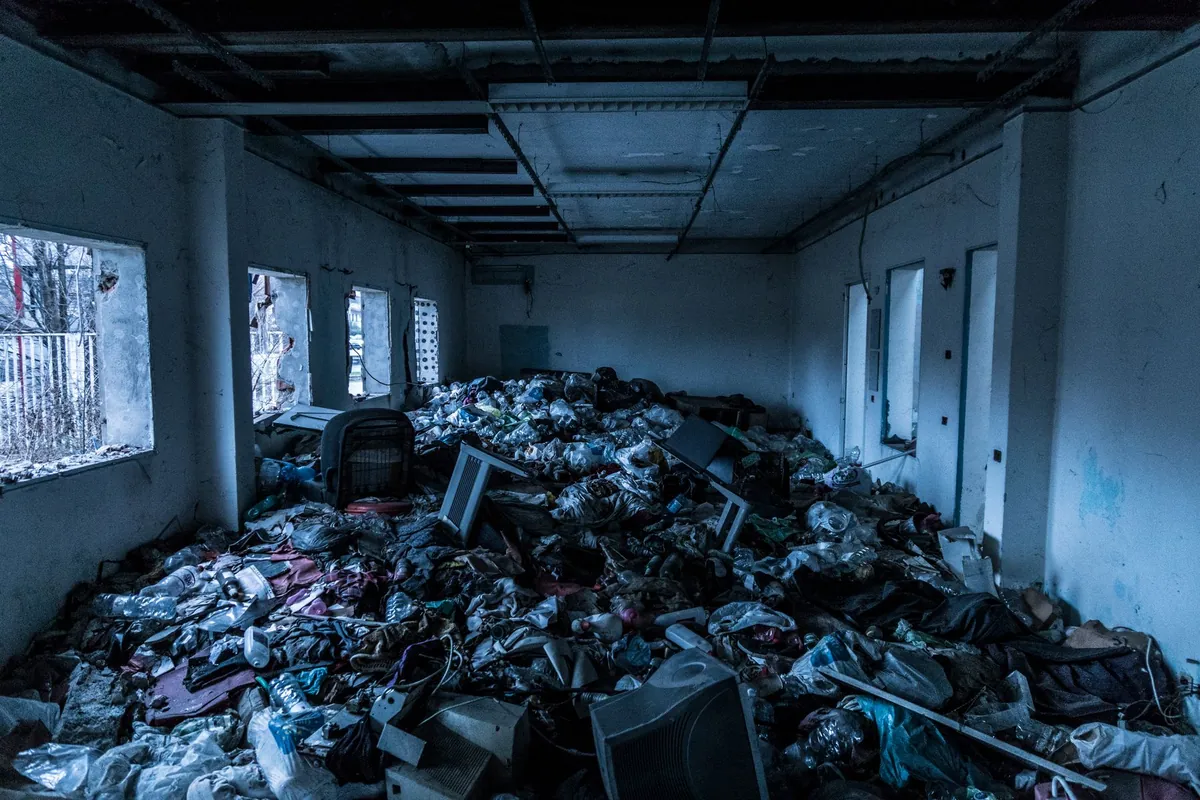
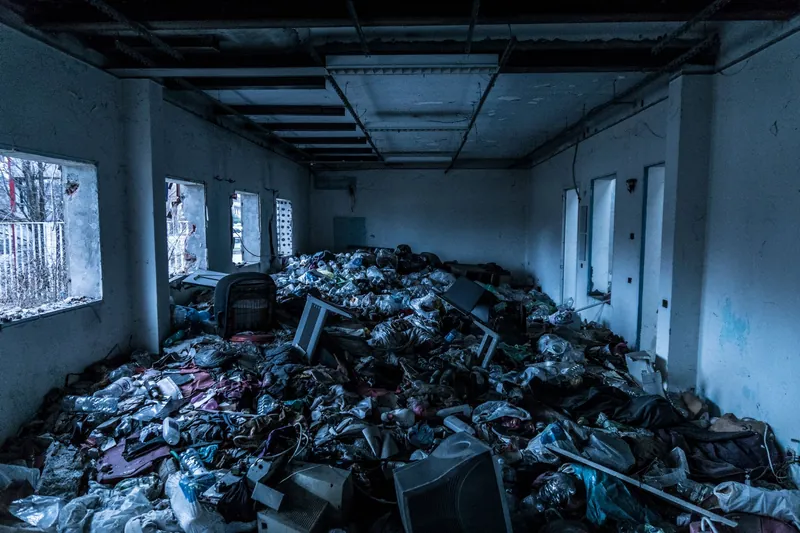
Animal hoarding cleanup clears accumulated urine and feces along with contaminated clutter and damaged absorbent materials. The remaining exposed surfaces then receive cleaning, disinfection and source-based odor treatment.
Before work begins, the person or agency in charge of the animals must remove them or place them somewhere secure. Decisions about ownership, custody and veterinary treatment remain outside the cleanup workers' role. Workers focus on opening access through the affected space, sorting belongings away from waste and cleaning the contamination that remains.
One room might require waste disposal while another needs hoarding cleaning, biohazard remediation or restoration work. Cleaning may be possible for hard, non-porous belongings. Urine or feces that has soaked through could require removal of carpeting, padding, cabinets, insulation, drywall or subfloor. What lies under the accumulated material determines the job's scope, not merely the conditions visible upon entry.
Crews arrive in unmarked vehicles. Work zones, bagging and loading can be planned to limit unnecessary attention around the property.
Animal waste, sharps, shifting stacks and contaminated materials determine the protective equipment and work zones used to keep clean spaces separate.
You continue taking part in every personal property choice. Papers of importance, photos, medicine and undecided items are sorted into a safe area prior to removal of approved contents.
The plan separates sorting, removal, cleaning, disinfection, odor work and restoration so you can understand every step and the cost factors tied to it. You can use the details to assess whether the proposed cleanup matches the property's needs.
Animal hoarding clean up is needed when waste and accumulation make ordinary cleaning unsafe, incomplete or emotionally unmanageable. Common situations include:
A tenant, property owner or estate representative needs contaminated contents documented, removed and cleaned after access and personal property decisions are settled.
Cages, damaged home contents, litter, feces and urine require controlled cleaning after all living animals have been taken to safety.
Repeated urination has reached carpet, wall edges, cabinets or subfloor, and surface washing no longer removes the source of the smell.
Family members or an estate representative need help locating records and keepsakes while separating them from waste, damaged furnishings and hazardous materials.
Start with animal safety, permission to enter and a clear limit around the contaminated space. These first steps protect you, the animals and important belongings:
Call (888) 440-9227Published pricing guides list animal waste cleanup from $500 to $8,000. A separate guide lists $500 to $5,000. Biohazard handling inside a hoarded home is listed at $1,500 to $5,000. These are planning ranges, not a quote. The amount of waste, buildup time, affected materials, odor work and waste disposal determine the scope for your property.
These ranges come from published national cost guides, not from a site visit. The price for your property is set after the on-site assessment, and you hear it before work starts.
Ask about cost: (888) 440-9227Insurance may not pay for animal hoarding cleanup. Coverage depends on the applicable policy, the source of the damage, responsibility for the premises and which elements of cleanup the insurance company agrees to cover.
Whoever represents the estate should confirm the person allowed to approve payment, item sorting and removal. The cleanup service should remove damaged items only after valuable records and keepsakes have been placed separately.
Check if the policy covers damage tied to a particular event and treats animal waste, slow damage, maintenance, removing contents and odor work as separate issues.
The lease, documented property condition and local requirements can affect who arranges and pays. Before moving personal property, the owner and tenant should agree on who has authority and access.
For insurance assistance, ask which cause of loss applies, what photos and records are needed, whether waste removal and structural repair are separate, and how the deductible affects payment. Retain the scope document along with receipts.
Cleanup follows a safe progression: confirm animal clearance, assess hazards, sort belongings, remove affected material, clean the space and complete a walkthrough. Conditions vary by property, but the full process generally keeps this order:
Before anyone enters, the person in charge verifies safe placement for every living animal and confirms that the property is accessible. For every situation, a walkthrough identifies obstructed routes, waste, smells, material damage and restrictions placed by any agency.
Separate boundaries divide clean areas and work zones. Cleanup technicians plan where contaminated materials will exit and select protective gear suited to the hazards, avoiding belongings kept safe.
Items such as records, photos, medicine, keys and keepsakes are moved to a safe decision zone. Removal starts only after you mark what you want saved, set aside for later, given away or thrown out.
When cleanup involves loose waste, litter, damaged cages, spoiled contents and approved clutter, those materials are collected in a controlled order. Workers avoid pulling heavy bags across clean spaces.
The condition of carpet, pad, wallboard, insulation, cabinets and subfloor is examined following contamination. Applicable waste requirements may allow removal of materials when complete cleaning is not possible.
Exposed hard surfaces are cleaned before disinfection. For needed disinfection, the surface remains wet with an EPA-registered product throughout the contact period shown on the label.
Removal begins with feces, urine and affected porous material. Afterward, air scrubbers, HEPA vacuums and targeted methods can reduce the particles and smells left behind.
Your final inspection covers the cleaned areas, belongings kept and materials removed. Any remaining pest work, structural repair, flooring replacement or other restoration services are identified separately.
Call any hour. You speak with an animal hoarding cleanup specialist who outlines the process and schedules a start time with you.
Accumulated animal waste can expose you to germs, irritating ammonia, airborne particles, pests and unsafe walking conditions, especially when contamination has built up in enclosed rooms.
You may experience distress over the state of the home and the animals. With a documented sorting plan and separate keepsake area, you need not hurry personal property decisions. You can move forward gradually by working through one space at a time.
Concentrated urine odor can irritate the eyes and breathing passages. A persistent smell may point to affected porous materials out of view, where washing the exposed surface will not restore them.
Needles, broken glass, damaged cages and sharp metal can be buried in bags or bedding. Narrow paths and unstable piles add trip and falling-object risks during removal.
Can you clean it yourself? For a minor pet accident that just occurred on a sealed and non-absorbent surface, cleaning may be possible with proper gloves and cleaner. If the area requires disinfection, observe every label direction and the full contact time for the EPA-registered disinfectant. Professional cleanup is needed for waste spread across a broad area, absorbed into porous surfaces, tangled with clutter or sharp hazards, or causing airborne irritation.
Animal hoarding clean up can require one day when the affected space is limited, or several days when several rooms are involved. A whole house may take longer if pathways are blocked, belongings must be sorted, building materials are contaminated or repairs follow the cleaning.
| Scene | Typical time on site |
|---|---|
| A limited affected area with no access blockage | May take about one day |
| Sorting and sanitation across multiple rooms | May take several days |
| Repairs and material removal throughout the property | Timing is set after assessment |
The source must be addressed first when removing animal hoarding odor. Used litter and feces can retain smell, as can urine-soaked carpet, padding, cabinets, subfloor and drywall. Covering it with fragrance is temporary and does not clean contamination or take affected materials away.
After the material causing the smell has been removed, hard surfaces receive cleaning and disinfection as needed. HEPA vacuums and air scrubbers can limit particles while professional cleanup is underway. Continued odor around cabinets, vents, floor seams or wall edges may mean concealed contamination requires checking. Any use of ozone must occur carefully in a controlled area with no occupants. Both people and animals need to remain outside throughout treatment.
OSHA Bloodborne Pathogens Standard, 29 CFR 1910.1030, requires training, protective equipment and exposure controls for workers who may contact human blood or another potentially infectious material.
Choose an EPA-registered disinfectant for the intended use, and leave it on the surface for the entire labeled contact time. Remove visible soil before you apply disinfectant.
Florida calls it biomedical waste, and the term covers absorbent materials saturated with blood or body fluids. The Florida Department of Health's rules control packing, transport and treatment, so it cannot go in household trash.
Comply with written instructions issued by a court, property owner, law enforcement agency, housing officials or animal control. Do not begin cleaning until legal entry and custody of the animals are resolved.
The full animal hoarding cleanup guide covers what is cleaned or removed, odor and air quality work, and the rules that apply in Florida and Pinellas County.
Read the full animal hoarding cleanup guide
Planning for access, containment and cleanup can depend on local population, housing and entry conditions.
St Anthonys Hospital is about 0.4 miles from Lakewood Terrace, which is useful to know when an exposure or injury needs medical attention.
The surrounding area includes Bayou Highlands, Harbordale, and Coquina Key, so cleanup travel may cross several local streets or municipal boundaries.
As a Saint Petersburg neighborhood, Lakewood Terrace may include several building styles, so cleanup planning should start with the exact property type.
During your call, ask whether cleanup is available in surrounding communities and ZIP codes.
Respectful sorting, item removal and deep cleaning are included in hoarding cleanup.
See hoarding cleanup
During hoarder house cleanout, trash is hauled away as work progresses from room to room.
See hoarder house cleanout
Cleanup addresses severe filth and squalor when a home has become unsafe to live in.
See filth and squalor cleanup
Removal and disinfection of blood, body fluids and other infectious material from any property.
See biohazard cleanup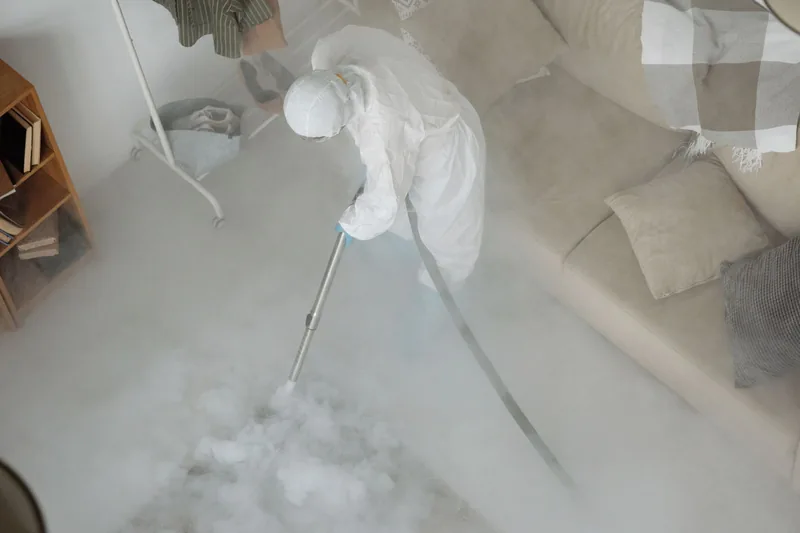
Complete decontamination treats the room, its surfaces and the air after a hazardous or infectious exposure.
See biohazard decontamination
Human feces cleanup and disinfection in homes, rentals and public restrooms.
See human feces cleanup
Death odor removal at the source with air scrubbers, hydroxyl and ozone treatment.
See death odor removalCoverage depends on the policy and the cause of damage. Insurers can treat ongoing animal damage, regular cleaning, taking out belongings and an independent covered loss as different issues. Ask the insurance company which cause of loss applies, what records it needs, whether waste removal and repairs are separate, and how the deductible affects payment.
First confirm that every living animal is safe and that you have permission to enter. Place important papers and keepsakes in an area away from cleanup. Remove waste and approved clutter without carrying contamination into clean rooms. Inspect absorbent floors, wall materials and cabinetry before cleaning hard exposed surfaces and applying disinfectant where appropriate. Treatment for smells begins once their sources are gone.
One published guide lists animal waste cleanup at $500 to $8,000, and another gives a range of $500 to $5,000. A published cost guide lists biohazard handling within a hoarded property at $1,500 to $5,000. Final scope changes with waste volume and age, affected wall and floor materials, personal property decisions, smell treatment and disposal requirements.
Animal waste can expose people to germs, irritating gases and airborne particles. When urine accumulates inside a closed space, the resulting strong ammonia smell may irritate your eyes and airways. Risk becomes greater if contamination is extensive, dried material is airborne, the space lacks ventilation or sharps and pests remain out of view.
Cleanup may last about a day for one accessible area, but work across several rooms may continue for several days. Whole-home work can take longer. Blocked routes, sorting volume, waste quantity, hidden affected areas, material removal, odor treatment and repairs all influence timing. The assessment should separate cleanup time from later flooring or wall restoration.
Often, as long as the source is located first. Surface cleaning may not reach urine in carpet padding, subfloor, drywall or cabinets. Affected materials may need removal when they are not cleanable. After source removal, hard surfaces can be cleaned and targeted air quality work can begin. When odor comes back, an affected area out of view usually remains untreated.
You can request respectful, discreet animal hoarding cleanup 24 hours a day, and crews use unmarked vehicles.